
Sajad Abavisani
Final-year PhD Candidate in Electrical & Computer Engineering
With seven years of experience in machine learning, causal inference, and time series analysis, I am actively seeking full-time positions starting in January 2026.
Specializing in causal learning, deep learning, and advanced time series analysis.
Education
View Full Resume →Ph.D. in Electrical and Computer Engineering
Aug 2020 – Dec 2025Georgia Institute of Technology
GPA: 3.9/4.0
M.S. in Electrical and Computer Engineering
Aug 2020 – Aug 2023Georgia Institute of Technology
GPA: 3.9/4.0
B.S. in Electrical Engineering
Sep 2014 – Sep 2019Ferdowsi University of Mashhad
GPA: 4.0/4.0
Featured Research
View All Publications →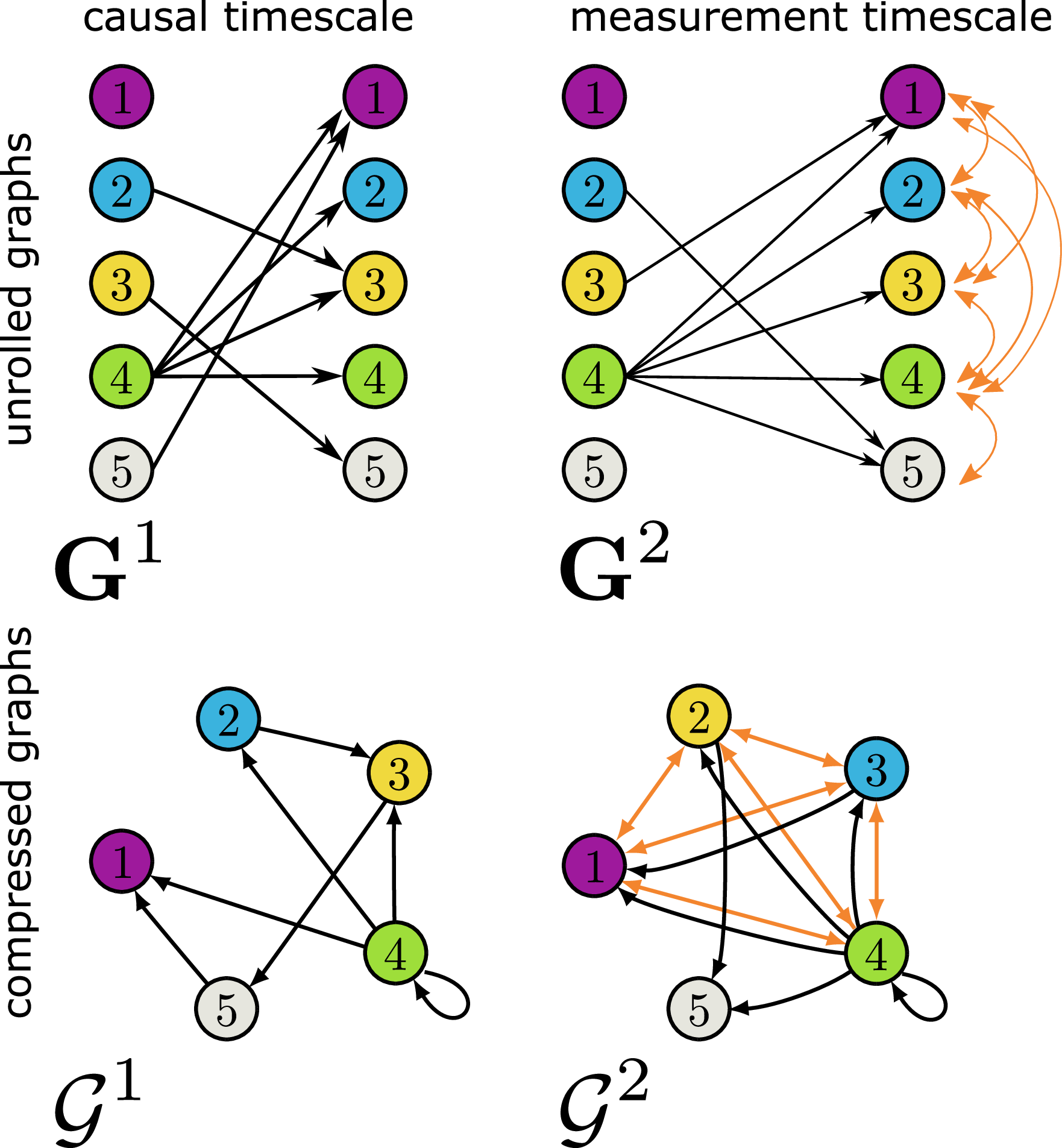
GRACE-C: Generalized Rate Agnostic Causal Estimation
A breakthrough method for causal discovery in undersampled time series data, achieving up to 3 orders of magnitude speed improvement. Presented at ICLR 2023 (Oral, Top 25%).
Learn More →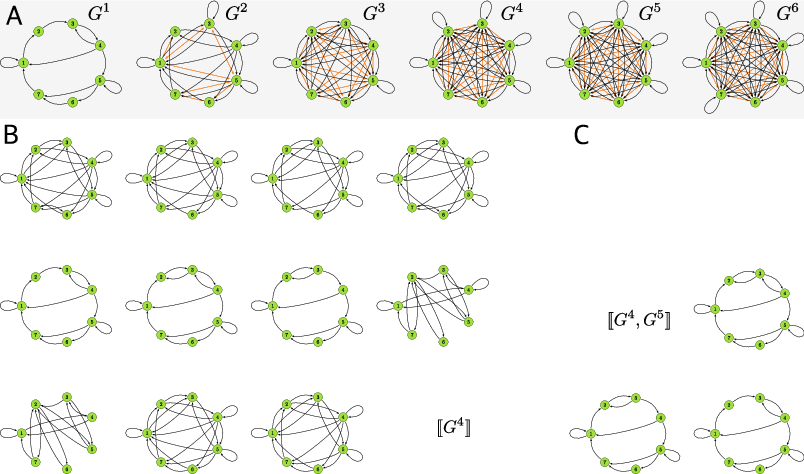
Causal Learning through Deliberate Undersampling
Groundbreaking work showing that measuring data less frequently can actually provide more information about causality by reducing ambiguity in causal relationships.
Learn More →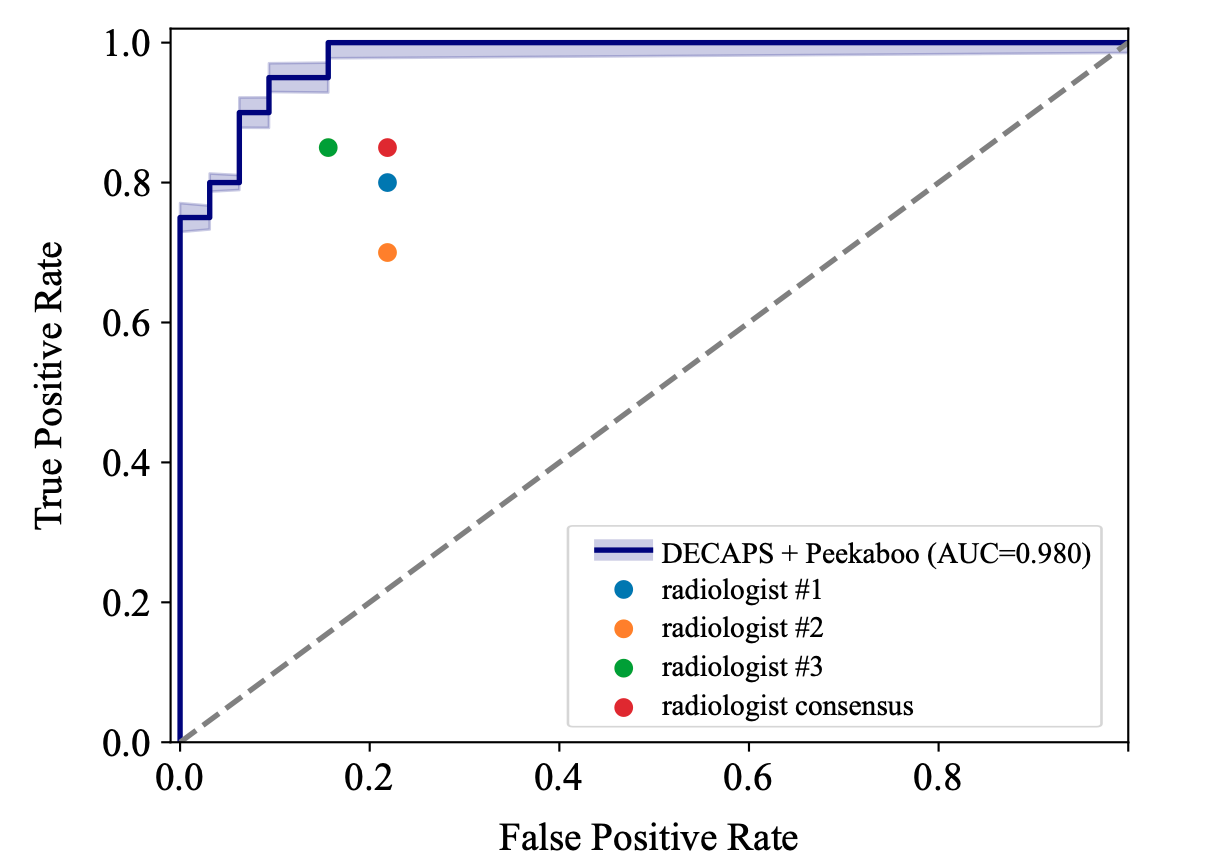
Radiologist-Level COVID-19 Detection
Novel DECAPS architecture using detail-oriented capsule networks for automated COVID-19 diagnosis from CT scans, achieving radiologist-level accuracy.
Learn More →Technical Projects
View All Projects →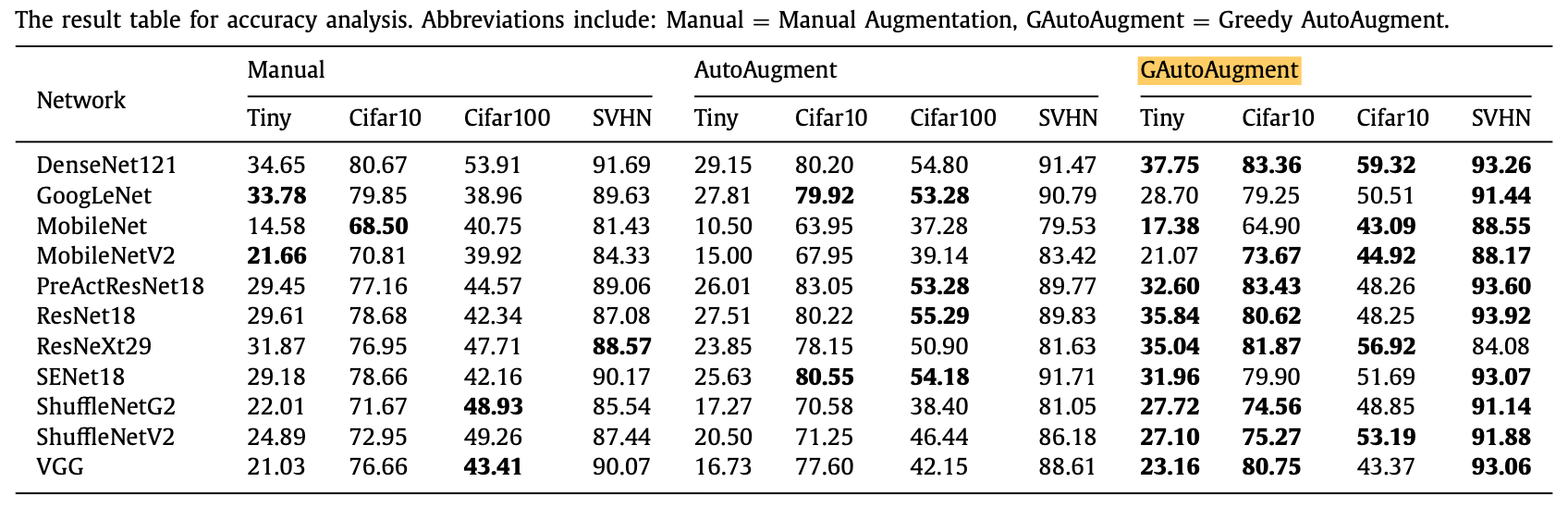
Greedy AutoAugment
Efficient image data augmentation using greedy search strategy, achieving comparable accuracy on CIFAR-10, CIFAR-100, and SVHN while using 360x fewer computational resources.
View Details →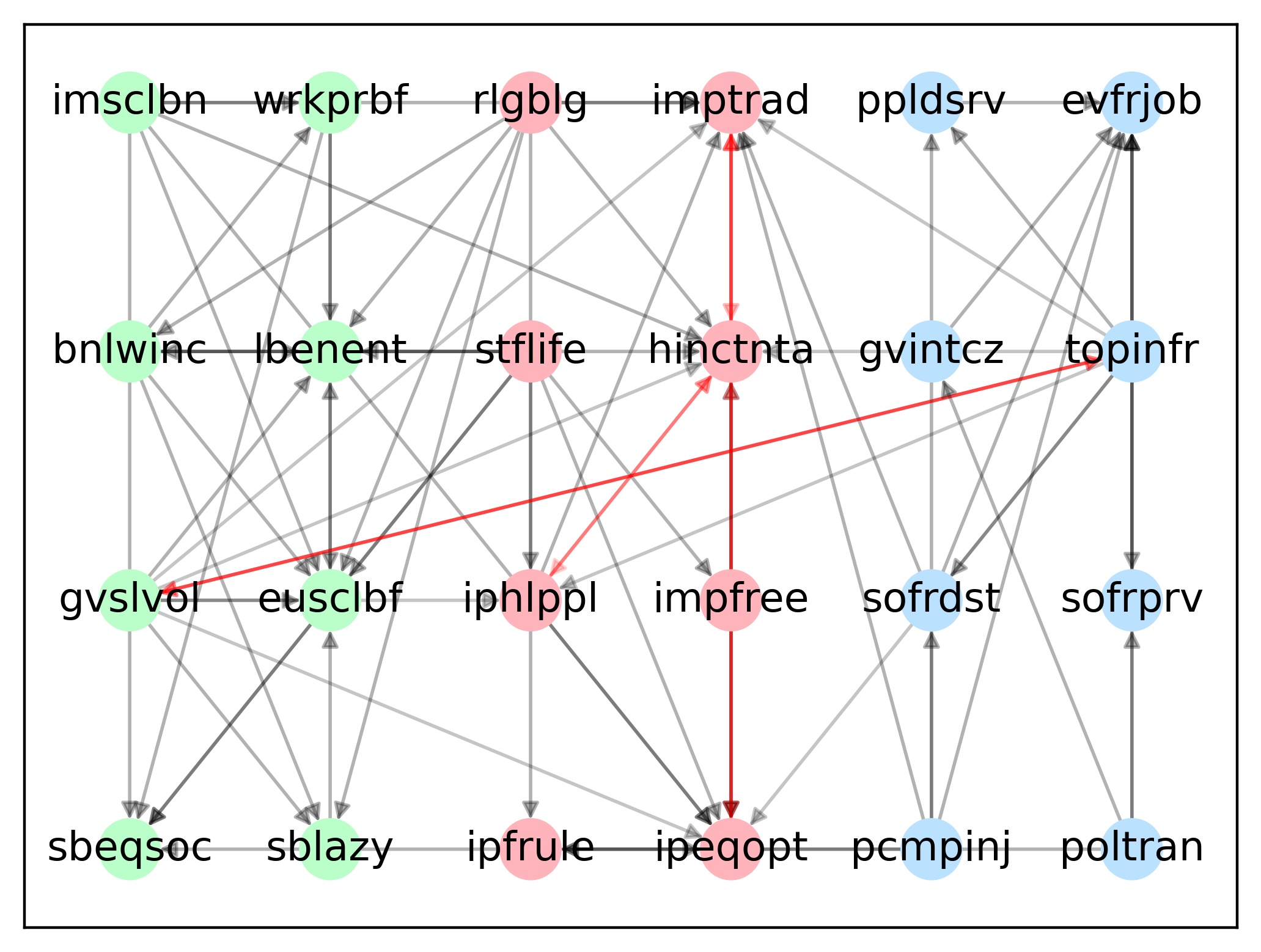
ION-C: Integration of Overlapping Networks
Computationally efficient algorithm that builds unified causal models from separate, partially overlapping datasets, scaling to graphs with up to 25 nodes with 99.55% accuracy.
View Details →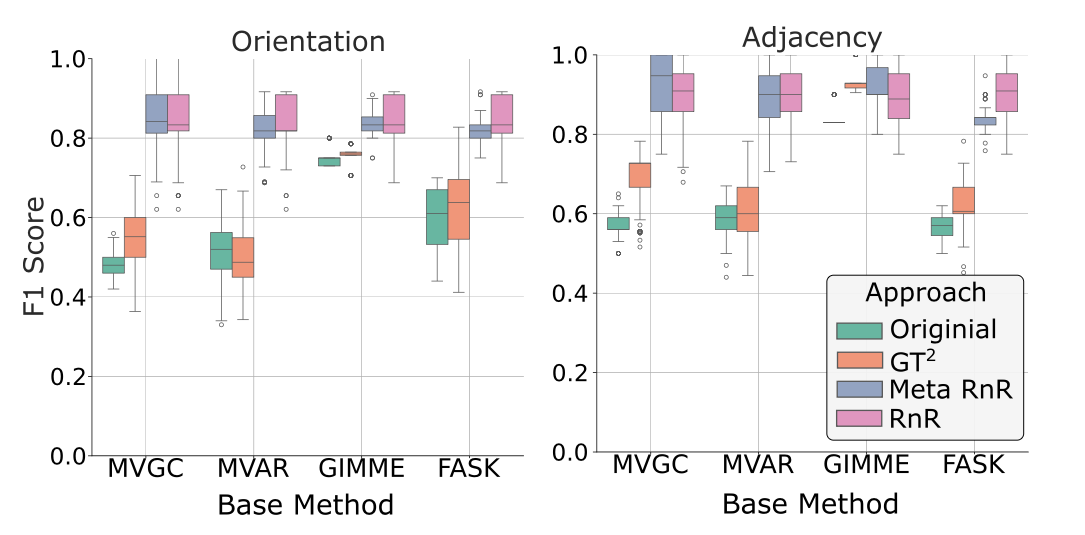
Piecing Together the Causal Puzzle
Answer Set Programming approach to recover true causal structure from undersampled, noisy neuroimaging time series data with robust fMRI performance.
View Details →Skills & Expertise
View Full Resume & Skills →Programming Languages
Python, C++, Matlab, JAVA, Clingo, R
ML Frameworks & Libraries
TensorFlow, PyTorch (CUDA), Scikit-learn, NetworkX, igraph, OpenCV
Machine Learning & AI
Multimodal LLMs, Transformers, Conformers, Predictive & Statistical Modeling, Optimization
Other Technologies
Docker, Git, Parallel Computing, Scalable Solutions, Answer Set Programming